

Great surf photos begin before the camera comes out. The direction of the swell, the tide, the wind, and the angle of the sun all affect the final image. A wave can be powerful, but without the right light it may not show its full shape.
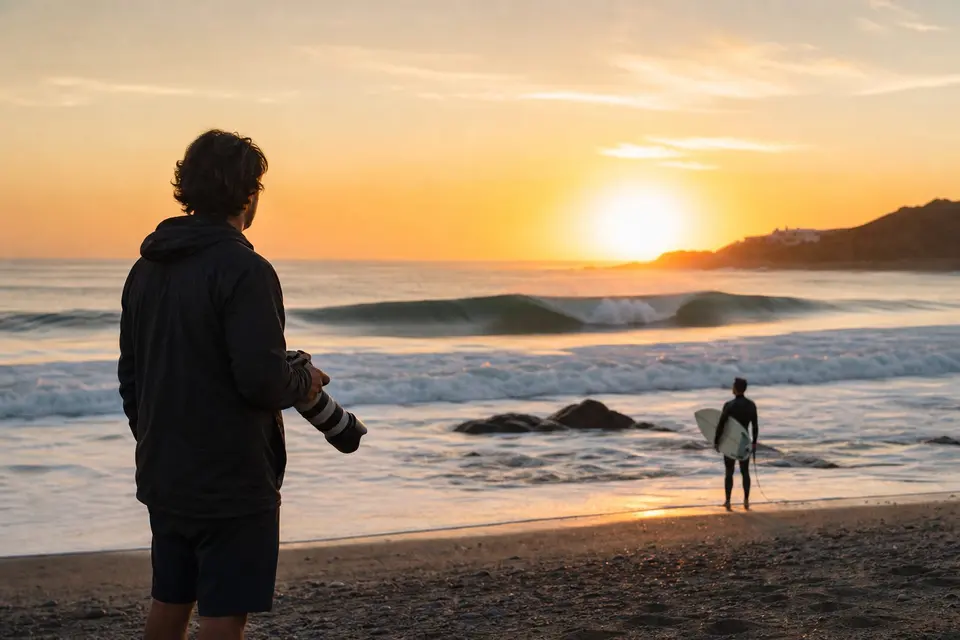
Light Gives the Wave Shape
Morning and late afternoon often bring softer color and more depth. Side light can carve texture into the wave, backlight can turn spray into gold, and soft cloud cover can make portraits feel calm and natural.
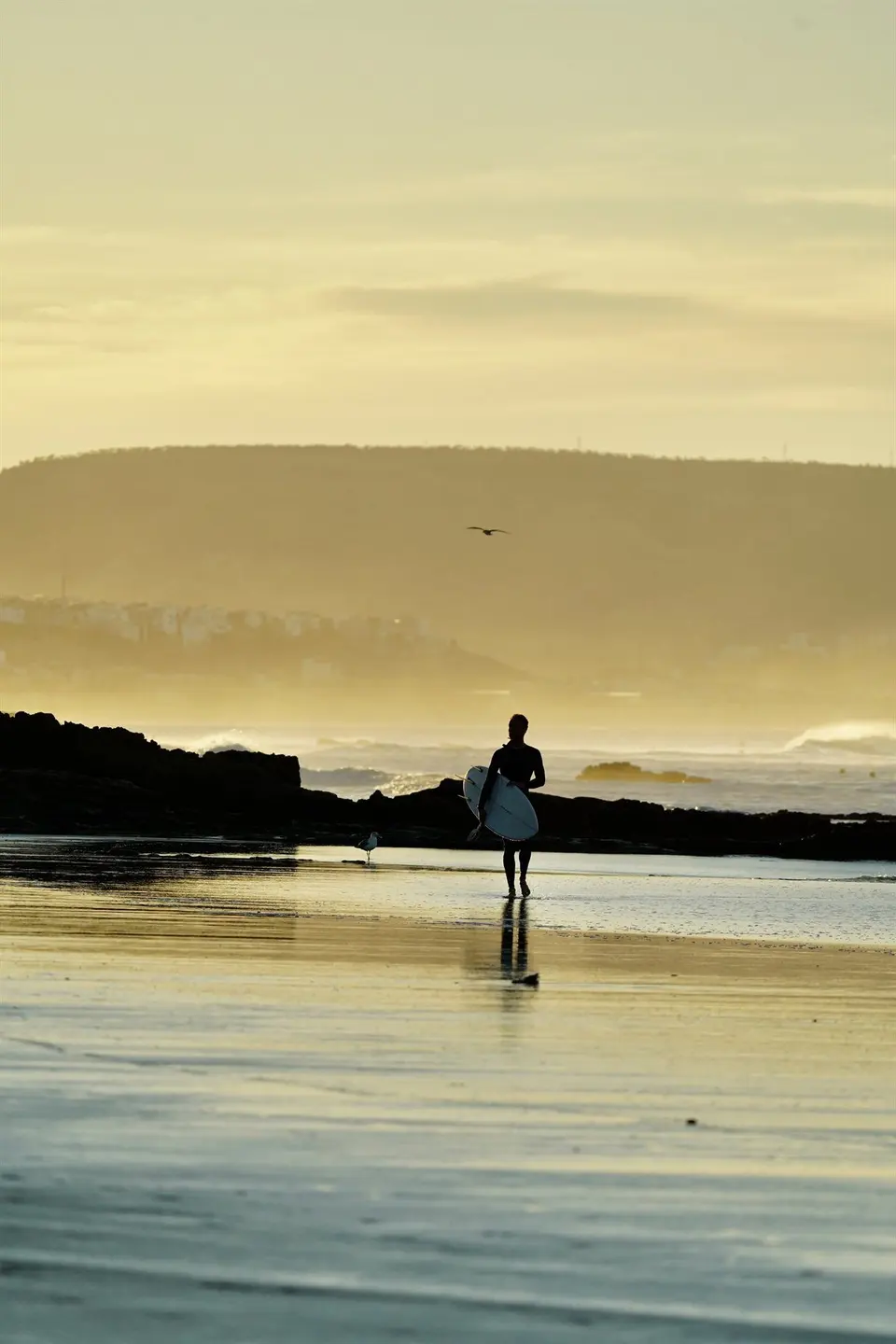
Tide Changes the Story
The same surf spot can look completely different depending on the tide. A lower tide may reveal more power and shape, while a fuller tide can soften the wave and create a different rhythm. Planning around tide helps the session feel intentional instead of rushed.
Wind Decides the Surface
Clean offshore wind can make waves look sculpted and glassy. Strong wind or heavy texture can still create beautiful images, but the photographer has to adapt composition, shutter speed, and position to keep the final gallery consistent.
Planning Creates a Better Gallery
Planning around these details helps the surfer know where to sit, helps the photographer choose clean angles, and gives the final gallery a stronger rhythm from start to finish. The session becomes less about luck and more about reading the ocean well.
Plan Your Surf Photoshoot
Tell Khalil your surf level, preferred location, and ideal photo style, then plan around the best available light and ocean conditions.
